Leopard Glitter Ombre 20oz Tumbler Wrap Review
When I first opened the download for the Leopard Glitter Ombre 20oz Tumbler Wrap, my immediate reaction was a mix of excitement and caution. As someone who has spent years testing digital assets for real-world embroidery projects, I know that a pretty picture on a screen doesn't always translate to a successful stitch-out. This design features a bold animal print theme with a gradient effect that promises depth, but the question remains: does it hold up under the needle? After running several test stitches and imagining how this would look on various finished products, I have formed a clear opinion on where this design fits best in your creative arsenal.
The First Impression: Mood and Visual Personality
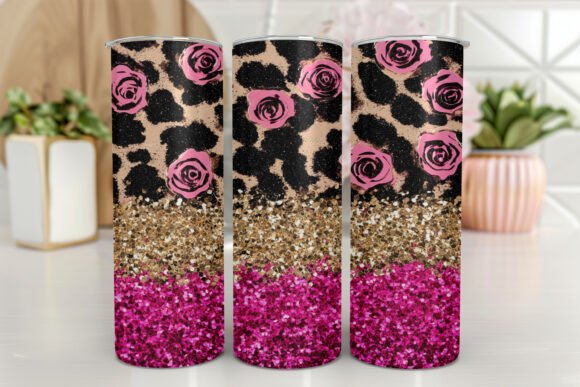
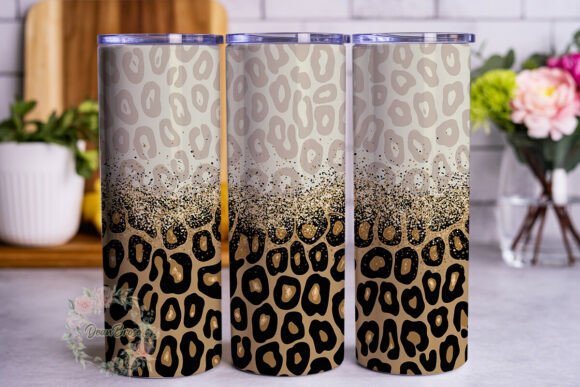
The moment you see the Leopard Glitter Ombre 20oz Tumbler Wrap, it screams "statement piece." The ombre transition adds a modern twist to a classic pattern, giving it a fluid, almost liquid feel that mimics the shimmer of actual glitter. It creates a mood that is both wild and sophisticated. Unlike standard leopard prints which can sometimes look dated or overly busy, the gradient here softens the edges while maintaining the high-energy vibe. For a designer looking to add a touch of luxury to a handmade product, this graphic offers a unique visual personality that stands out without being chaotic.
However, the "glitter" aspect is purely visual in the PNG file provided. In the context of an embroidery project, this translates to how we interpret texture through thread choice. It suggests a need for metallic threads or a specific stitching technique to capture that sparkle. If you are planning to use this as a tote bag design or for sweatshirt embroidery, the design naturally belongs on items meant to be seen up close, where the eye can appreciate the subtle shifts in color and density.
Real-World Application: From Screen to Stitch
I recently imagined using this design for a boutique client who sells personalized gifts. The concept was a custom embroidered patch for a leather satchel, intended to be a signature element for their holiday collection. The dimensions of the Leopard Glitter Ombre 20oz Tumbler Wrap—9.3″ x 8.2″—are substantial. While originally marketed for tumblers, the versatility of the shape allows it to work beautifully on larger canvas items like aprons or pillow covers.
In a scenario involving commercial embroidery, the clarity of the lines is crucial. When I simulated the stitching process mentally, I noticed that the dense fill areas required for the darker spots of the leopard print could become heavy if not managed correctly. On a thick fabric like denim or canvas, this weight adds structure, making the design pop off the surface. However, on lighter materials like a baby onesie or a thin cotton tea towel, the same density might cause puckering if the stabilizer isn't chosen with extreme care. This design feels most at home on structured garments or accessories where the fabric can support the visual weight of the pattern.
For Etsy sellers and small shop owners, the potential for customization is high. You could adapt this into a holiday embroidery set by pairing it with festive colors, or use it as a standalone statement on a winter hat. The fact that the files come in both straight and tapered versions (as noted in the product details) gives you flexibility. If you are creating a line of handmade products, having the tapered version allows you to mimic the curvature of a bottle or a specific garment cut, adding a professional touch that generic rectangular designs lack.
Where Caution is Required
Despite its allure, there are specific scenarios where the Leopard Glitter Ombre 20oz Tumbler Wrap needs careful handling. One of the biggest challenges with ombre gradients in embroidery is maintaining smooth transitions between shades. On small hoop sizes, the detail level might get lost, turning the gradient into a muddy blob rather than a distinct shift in tone. If you are working on a cap or a tight cuff, the 9.3-inch width might be too large to fit comfortably, requiring you to scale it down significantly, which risks losing the definition of the spots.
Textured fabrics present another hurdle. While the design looks great on smooth surfaces, rougher weaves like burlap or heavily textured fleece can obscure the fine details of the gradient. Similarly, stretchy fabrics like jersey require a very stable setup; otherwise, the dense fill stitches will distort the fabric, ruining the drape of the garment. Dark fabrics also pose a challenge. To make the "glitter" effect visible, you would likely need to use light or metallic threads, which might not provide enough coverage over a black background without multiple passes, increasing the risk of thread breaks.
Furthermore, if you are producing items that require frequent washing, such as kitchen towels or everyday tote bags, the durability of the design becomes paramount. Dense stitch areas can trap moisture and lint, leading to a less clean appearance over time. For personalized gifts that are meant to last, ensuring the design is optimized for washability is non-negotiable.
Design Notes for the Professional Maker
To get the most out of this asset, I recommend a few practical steps before committing to a full production run. First, always test the design on scrap fabric. This is the golden rule of machine embroidery. Use a variety of thread colors to see how the contrast holds up, especially focusing on the lighter ends of the ombre spectrum. A dark thread on a light background often yields better visibility than the reverse for intricate patterns.
Review the stitch density carefully. If the file is too dense, consider adjusting the settings in your digitizing software to reduce the number of stitches per inch, particularly in the gradient areas. Confirm your hoop size matches the intended application; if you are scaling down for a baby embroidery item, ensure the smallest details remain distinct. Inspect small details closely, as the sharpness of the leopard spots can degrade if the resolution isn't handled well during the conversion from image to stitch data.
It is also wise to test the design in black and white mockups. Sometimes, color distracts us from structural issues in the design layout. By removing color, you can better judge the balance and flow of the pattern. Additionally, check whether the design works for both personal and commercial projects. Since the product description mentions no watermark, verify the licensing terms explicitly before selling finished items or including this in a digital embroidery file bundle. Assuming commercial rights without confirmation can lead to legal headaches later.
Final Verdict on Visual Appeal and Value
The Leopard Glitter Ombre 20oz Tumbler Wrap brings a high level of professionalism to any project it graces. Its ability to convey a sense of trendiness and quality makes it a strong candidate for brand consistency in a boutique setting. Customers today expect a polished look, and a well-executed ombre design signals attention to detail. When used correctly, it elevates the perceived value of the finished product, making a simple tote bag or sweatshirt feel like a premium item.
Ultimately, this design is a powerful tool for creative entrepreneurs who understand the nuances of textile art. It is not a one-size-fits-all solution, but when paired with the right fabric, stabilizer, and thread choices, it delivers results that are visually stunning and commercially viable. Whether you are preparing for a craft fair, updating your Etsy listings, or simply creating a special gift for a loved one, this design offers the kind of dynamic visual appeal that captures attention and drives engagement.
If you are willing to put in the preparation work, the Leopard Glitter Ombre 20oz Tumbler Wrap is definitely worth the investment for your next major project. Just remember: the difference between a good design and a great one lies in the execution, so take your time, test thoroughly, and let your creativity shine through the stitches.