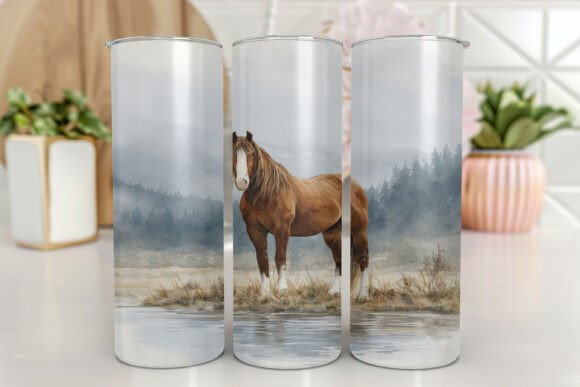
Horse Tumbler Wrap Design 20 Oz Skinny Review
When I first opened the .zip archive for Horse Tumbler Wrap Design 20 Oz Skinny, my immediate reaction was a mix of curiosity and caution. As a designer who has spent years refining digital assets for commercial use, I don't just look at the image; I look at how it will translate into thread. The preview showed a bold layout intended for a 9.3″ x 8.2″ area on a straight skinny tumbler, but the real question was whether this graphic would hold up under the tension of a machine embroidery hoop or if it would look like a flat sticker once stitched.
This review isn't about the marketing fluff found on listing pages. It is about the practical reality of taking a digital file and turning it into a tangible, sellable product. I evaluated Horse Tumbler Wrap Design 20 Oz Skinny with the mindset of a small business owner preparing inventory for an upcoming craft fair and a boutique client order. Here is what I found regarding its visual personality, stitching potential, and where it fits best in your workflow.
The First Impression: Mood and Layout
The design immediately projects a rustic yet modern energy. It feels perfectly suited for the "country chic" aesthetic that dominates the handmade market right now. The shape of the graphic follows the curvature of a standard 20oz straight skinny tumbler, which is crucial because many designs fail when wrapped around cylindrical surfaces. The spacing suggests a balanced composition that avoids looking cluttered, even though it covers a significant portion of the surface area.
For a designer, the visual personality here is versatile. It doesn't scream "novelty"; instead, it feels like a premium brand asset. This distinction matters immensely when you are pricing your finished products. If a customer sees a high-quality, well-executed design on their personalized gift, they perceive higher value. Horse Tumbler Wrap Design 20 Oz Skinny creates an atmosphere of quality craftsmanship before a single stitch is placed. It feels like a design meant for someone who appreciates equestrian themes without being overly cartoonish.
Real-World Application: From File to Finished Product
I ran a mental simulation of using this design for a specific project: a custom embroidered tote bag paired with a matching set of tumblers for a wedding party. In this scenario, consistency is key. Would this graphic work as a standalone piece, or does it need to be part of a larger collection? My assessment is that it stands strong on its own, making it ideal for personalized gifts where the recipient wants a unique statement piece.
Imagine placing this on a dark-colored tumbler with white or silver thread. The contrast alone could make the design pop, provided the file resolution is handled correctly. Since the listing specifies High Resolution 300 DPI files, the vector-to-raster conversion during digitization should be clean. However, the success of the final product depends heavily on your choice of thread colors. A horse design often relies on natural tones—browns, creams, and greys—to feel authentic. If you opt for neon threads, you risk losing the rustic charm that makes this design appealing in the first place.
In a commercial setting, such as an Etsy shop selling small shop products, this design offers excellent scalability. You can offer it on tumblers, aprons, or even pillow covers. The vertical orientation of the wrap design allows it to flow naturally down the side of a garment or accessory, creating a sense of movement that flat prints often lack. For a crafter looking to expand their catalog, this is a solid addition to your design assets.
Where Caution is Required
Not every fabric and machine setup is created equal. While Horse Tumbler Wrap Design 20 Oz Skinny looks promising on screen, there are specific scenarios where it requires careful handling. First, consider the stitch density. If the original digitization includes large areas of fill stitch, applying this to a thin fabric like a lightweight tea towel might cause puckering. Always test on scrap material before committing to a final run.
Texture is another factor. Embroidery on a smooth, coated plastic tumbler behaves differently than stitching onto a fabric sleeve. If you are planning to use this as an embroidered patch to be ironed onto a denim jacket, ensure the backing stabilizer is robust enough to support the weight of the design. On stretchy fabrics, the tension of the stitches can distort the pattern, so a cutaway stabilizer is non-negotiable to maintain the integrity of the lines.
Be wary of using this design on very small hoops or curved surfaces like baseball caps unless the design has been specifically adapted for those dimensions. The 9.3″ x 8.2″ size is generous, but if you attempt to compress it into a smaller space, fine details may disappear or become indistinguishable blobs of thread. Additionally, if the design features tiny lettering or intricate decorative accents, verify that these elements remain legible after washing. Commercial embroidery items must withstand frequent laundering, and delicate details often suffer in the wash cycle.
Impact on Visual Appeal and Brand Trust
The difference between a hobbyist project and a professional product often lies in the clarity of the stitching. A well-executed machine embroidery design builds customer trust. When a buyer receives a tumbler with crisp satin stitches and no loose threads, they are more likely to return for future orders. Horse Tumbler Wrap Design 20 Oz Skinny has the potential to elevate your brand perception if the execution is flawless.
Conversely, a poorly executed design can damage your reputation. If the fill stitches are too dense, the fabric may stiffen uncomfortably. If the running stitch is uneven, the overall look becomes amateurish. By paying attention to the nuances of this design, you ensure that your handmade product reflects the professionalism you aim for. This is particularly important for holiday gifts and boutique branding, where presentation is everything.
Practical Designer Notes for Success
Before you load this file into your machine, follow these essential steps to guarantee a successful outcome:
- Test on Scrap Fabric: Never start with your final product. Run a test on a similar fabric type to check for puckering or distortion.
- Review Stitch Density: Open the file in your embroidery software and inspect the density settings. Adjust if necessary to prevent thread breaks or fabric damage.
- Check Thread Contrast: Mock up the design in black and white to see if the contrast works for your intended color scheme. Ensure the thread colors chosen will not get lost against the background.
- Confirm Hoop Size: Verify that your hoop can accommodate the 9.3″ x 8.2″ dimensions without cutting off edges. Some machines require a larger frame for full-wrap designs.
- Inspect Small Details: Zoom in on the finest lines of the design. Are they thick enough to stitch clearly, or will they vanish?
- Licensing Check: Read the terms carefully. Confirm whether you are allowed to sell finished items made with this design or if it is strictly for personal use.
Ultimately, Horse Tumbler Wrap Design 20 Oz Skinny is a versatile tool for any creative entrepreneur. Whether you are producing holiday embroidery for seasonal sales or building a consistent line of custom apparel, this design offers a strong foundation. Just remember that the file is only half the equation; your skill in stabilizing, threading, and pressing makes the magic happen. Use this resource wisely, and you will find it adds significant value to your embroidery project portfolio.